
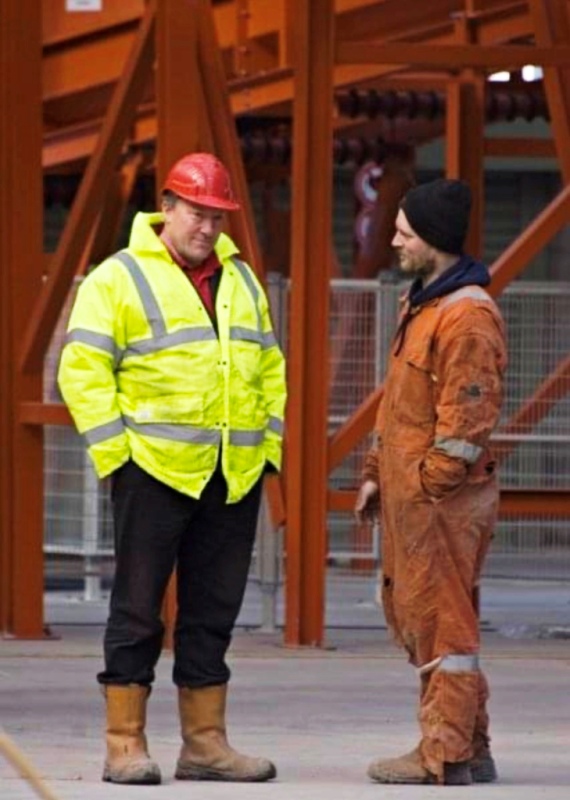
APRENCO offers professional and practical consultancy services in the waste management and environmental sectors. Two decades of experience with a proven track record in solid and liquid waste management makes APRENCO a great asset to many waste management operators and suppliers across the world. We have enabled our clients to improve their approach to waste management, introduce and apply new technologies and processes and develop new markets with confidence.
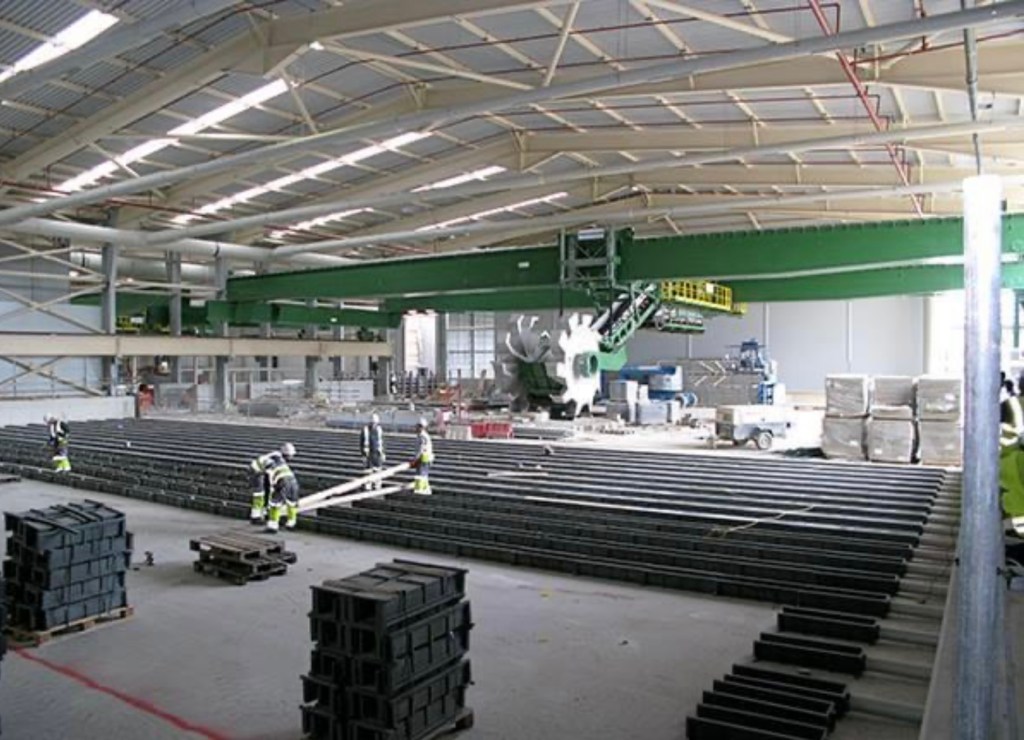
Aprenco provides on-site assistance with the installation, set-up, commissioning and operation of Materials Recovery Facilities (MRF’s), static pile, windrow and in-vessel composting systems, construction, demolition and industrial waste processing and the washing of plastics prior to reprocessing. We also offer consultancy services in the specification and design of MRF’s, sourcing and selection of suppliers and project management. Our aim is to provide appropriate solutions to the problems that our industry can present us with and to fit the answers to the problem at hand rather than offering a ‘one-size-fits-nobody’ approach.

APRENCO also has considerable experience in the transport, treatment and disposal of medical wastes including teratogenic and radiological materials. APRENCO can also help you develop operational site health and safety processes and procedures, carbon-offset accounting, management and trading of ROC’s and other climate-change policies and strategies.
APRENCO wishes to work with people and organisations that can put certain sustainability energy solutions into place. The main interest is in providing power (gas or electricity) for off-grid communities and in developing countries in a sustainable and appropriate manner. Preferably by using wastes which are otherwise a lost resource. The goal would be to produce something that is sturdy, cost-effective and can be operated by non-technical people and fixed or serviced by someone who can fix a tuk-tuk or a moto. It’s not about dumbing-down, but clever application of existing technologies, possibly in novel or non-standard ways.
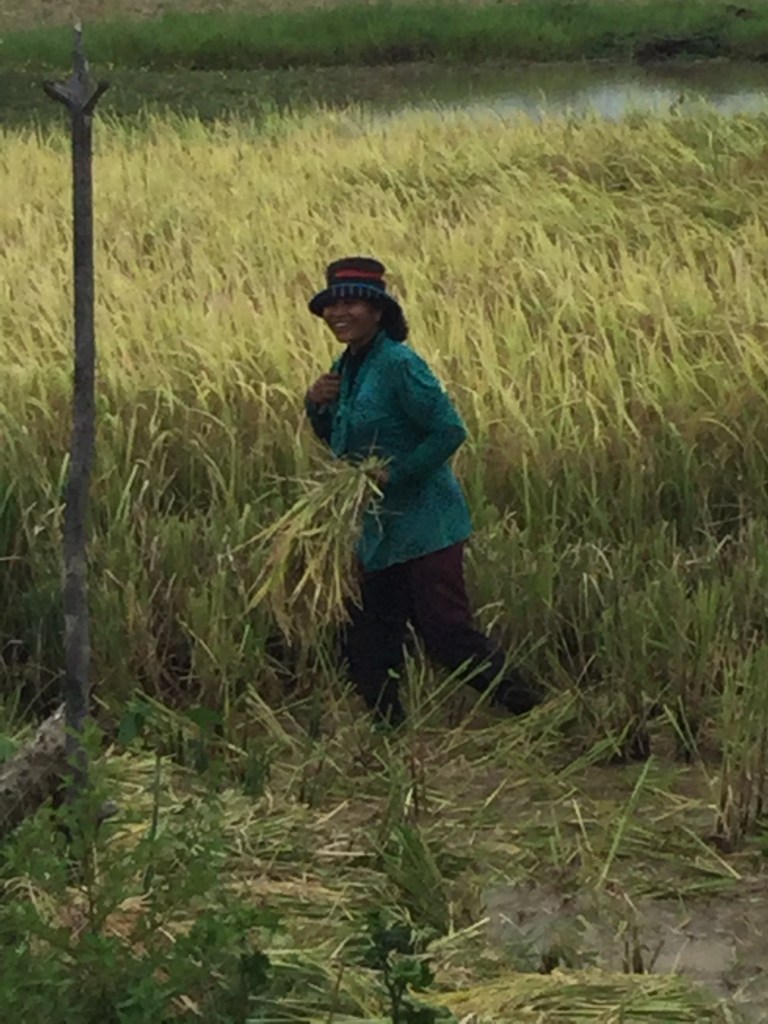
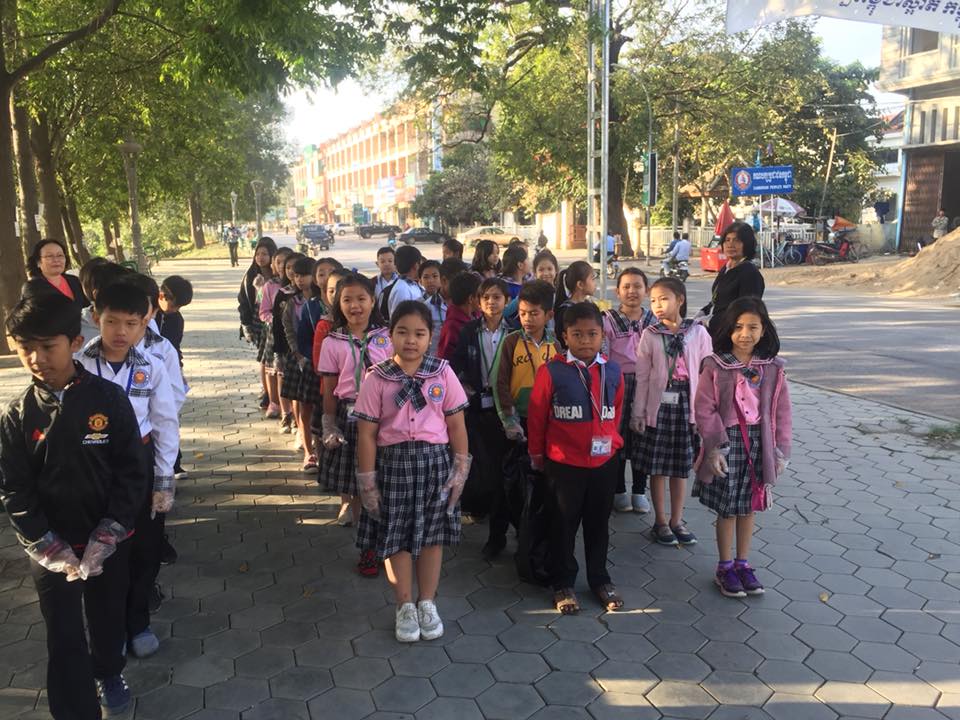
Ultimately it would be about manufacturing in the country or region where the products are to be used, giving ownership to the local people and not parachuting in solutions which look good on paper, but die when exposed to tropical rainstorms or desert heat. It would be nice to hear any sensible ideas…


